
Can a running machine be shown on the exhibit floor?
Usually yes, with guarding, an accessible e-stop, and power sized to the unit's actual draw confirmed against the show's electrical order form and the venue's safety requirements.
Expo Stand Builders of Tampa
Booth strategy, production control, venue coordination, and on-site delivery for Tampa convention, hotel, fairgrounds, and bay-market programs.
A manufacturing exhibitor needs a booth that survives a forklift, holds a running machine center-stage, and still reads clean from the aisle.
Industry Focus
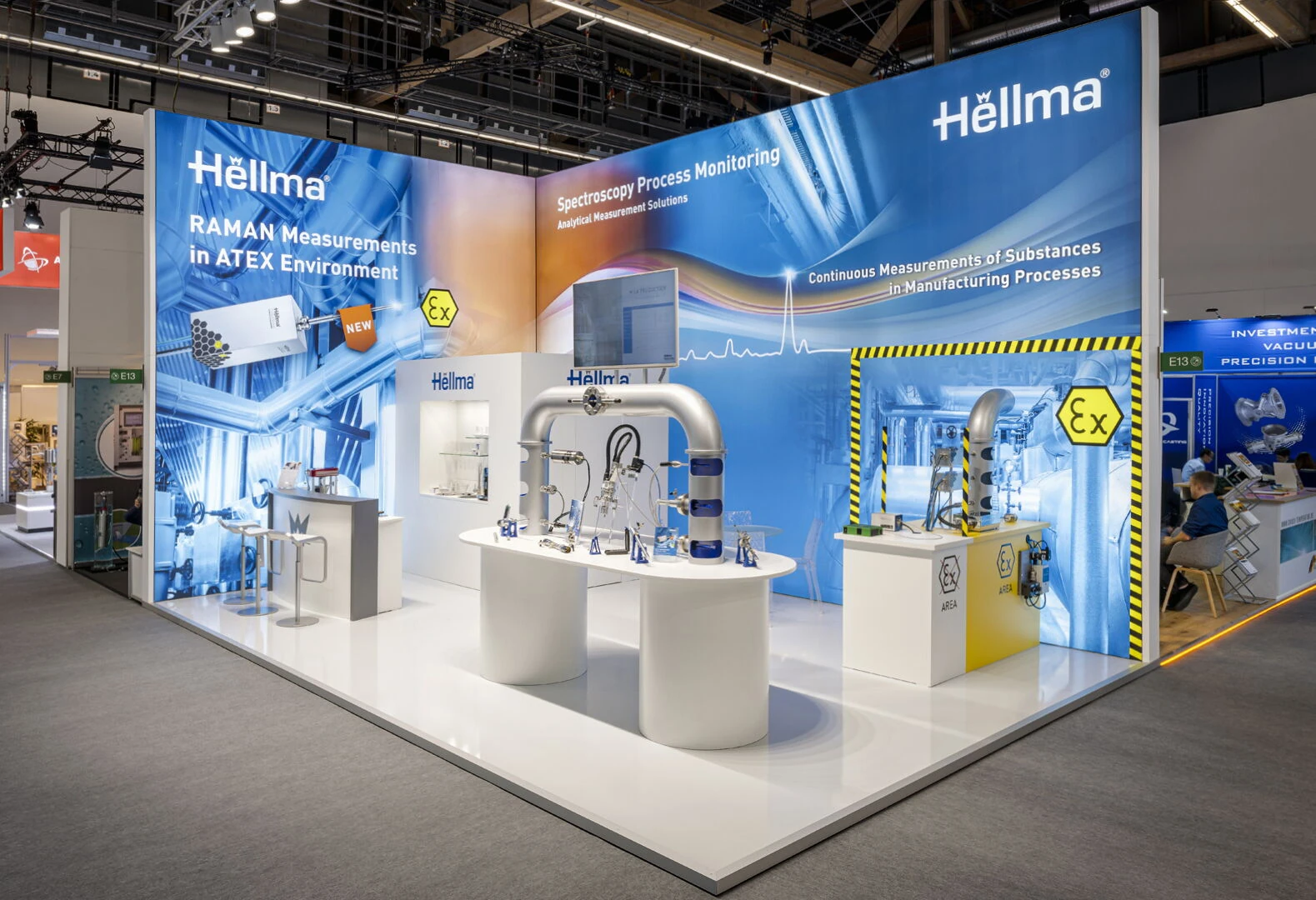
The Tampa Convention Center's exhibit halls and the Florida State Fairgrounds Expo Hall both handle heavier show freight than a typical hotel ballroom, but floor load ratings and dock door heights still vary by hall and by column bay. A manufacturing exhibit with a running machine or a stacked equipment display gets checked against the specific hall's published limits before the crate ever leaves the shop.
RP Funding Center in Lakeland, about forty minutes up I-4, turns up on multi-city manufacturing circuits alongside Tampa dates. Where a rigger or house crane is required for a heavier unit, that gets confirmed against the current exhibitor manual rather than assumed from a prior show, since venue labor rules shift between events.
A machine that actually runs on the floor changes the fabrication brief. Guarding, e-stop placement, and clearance around moving parts have to satisfy both the show's safety desk and basic common sense with attendees walking past all day. Tempered or laminated glass replaces acrylic wherever a panel sits at eye level near foot traffic.
Static displays carry a different risk: a component or assembly that looks like a photo prop instead of real hardware reads as filler. Mounting real parts on a fabricated stand, with a placard that explains tolerance or output in plain language, keeps the display credible without needing the unit to be powered.
Most manufacturing freight into Tampa shows moves down I-4 from the Lakeland or Orlando corridor, or up I-75 from Sarasota and points south, before crossing to the Selmon Expressway or I-275 for the last leg into downtown. A local staging point closer to the venue lets a crate get inspected and re-strapped before the advance freight deadline instead of arriving straight off a long haul.
For shows at the Fairgrounds Expo Hall off I-4 near Orient Road, dock access and surface-lot staging behave differently than the Convention Center's downtown ramps, so the drayage plan gets built per venue rather than copied from the last show.
Any structure with rigged weight overhead, or a booth that exceeds standard height, needs a stamped drawing submitted against that specific show's exhibitor kit deadline, not a generic date. The general contractor's engineering desk reviews load paths in addition to appearance, so the drawing has to show real member sizes and connection points.
Coordinating that submission early avoids the scramble that happens when a booth passes visual review but gets flagged on structural grounds during move-in, which is the point where a fix costs the most time on the floor.
Buyer Questions
Usually yes, with guarding, an accessible e-stop, and power sized to the unit's actual draw confirmed against the show's electrical order form and the venue's safety requirements.
The Tampa Convention Center exhibit halls and the Florida State Fairgrounds Expo Hall both take pallet freight and crated equipment; RP Funding Center in Lakeland also appears on regional manufacturing circuits.
Only if it exceeds standard booth height or carries rigged overhead weight; a floor-level display of real components on a fabricated stand generally does not.
Early enough to clear the advance warehouse deadline in the exhibitor kit, which is typically well ahead of move-in and allows time for re-inspection after transit.
That depends on the venue's current labor jurisdiction rules, which get confirmed in writing from that show's exhibitor manual rather than assumed from a previous event.