Tampa Convention Center as Brand Activation Anchor
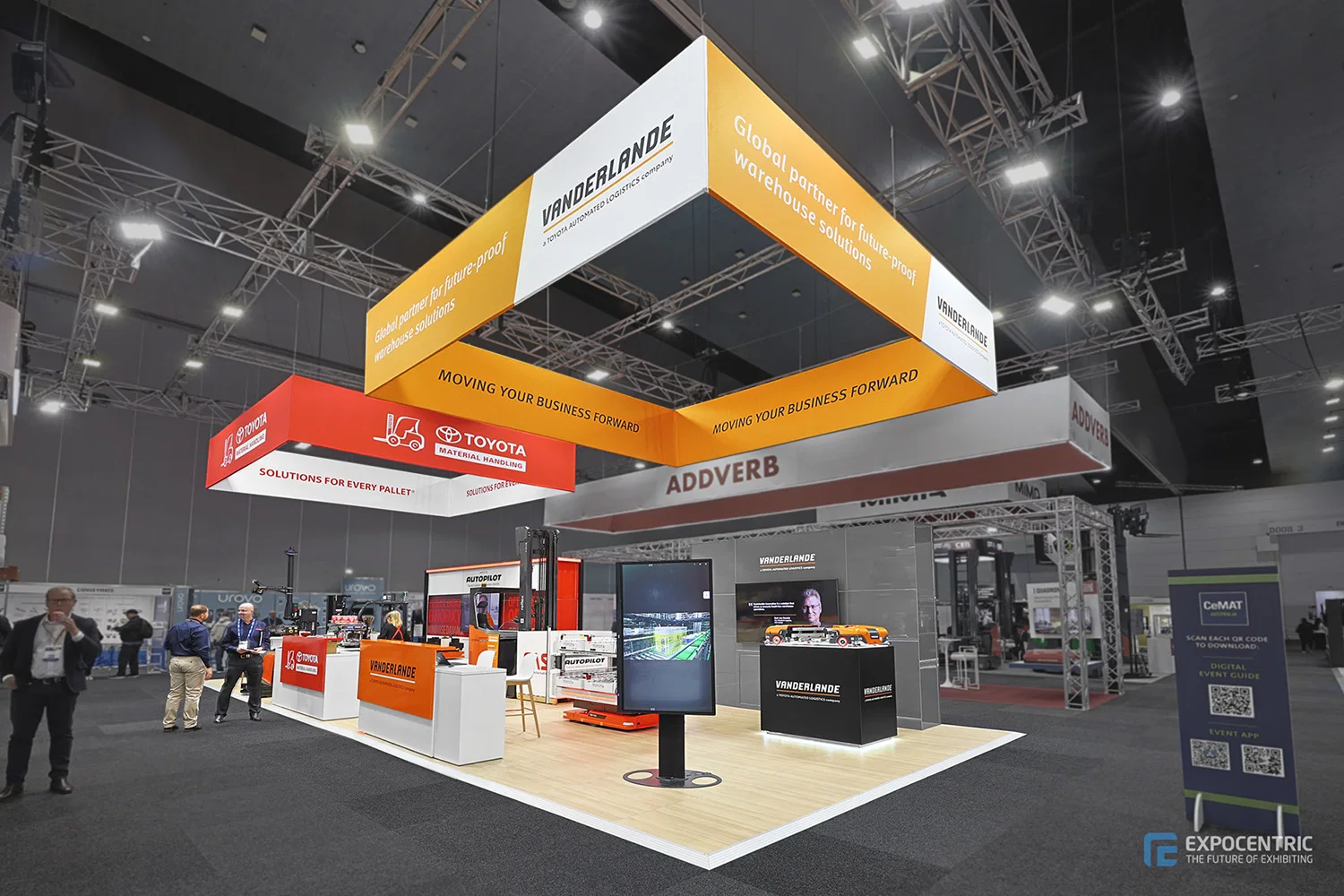
The Tampa Convention Center stands as the primary hub for brand activations in Tampa's downtown waterfront district, offering 600,000 square feet of total meeting and event space with a dedicated 200,000 Square Foot exhibit hall designed to host up to 1,000 10'x10' booths. This scale supports comprehensive activations where brands deploy interactive installations, product demos, and sampling stations across vast floor areas, while the facility's electric, water, and compressed-air hook-ups enable smooth integration of tech-driven elements like digital kiosks, refrigeration units for beverages, or pneumatic displays without relying on external rigging delays. Planners coordinating here must account for the 30-foot ceiling heights in key areas, which facilitate overhead branding, lighting rigs, and immersive projections, alongside a 36,000 Square Foot largest room configurable for theater seating up to 3,600 attendees or banquets for 2,080, ideal for launch events transitioning from exhibit interactions to seated experiences.
Operational realities at this venue underscore the need for early alignment with show organizers, as public planning resources highlight two dedicated show offices and four in-hall cafes that influence traffic patterns and service zones during activations. Brand teams benefit from the waterfront location tying into Water Street and Channel District hotels for attendee overflow, ensuring smooth transitions between exhibit hall engagements and nearby hospitality receptions. In Florida's Right to Work environment, labor for setup and teardown remains flexible but subject to venue-managed house services, prompting planners to review exhibitor manuals for rules on utility orders and floor operations to avoid conflicts during peak convention schedules.
Florida State Fairgrounds for Expansive Activations
Beyond the downtown core, the Florida State Fairgrounds in east Tampa deliver practical venues for brand activations requiring 5,000 to 87,000 square feet across Expo Hall, TECO Arena, Entertainment Hall, equestrian rings, and outdoor spaces, making it a go-to for consumer shows and public-facing campaigns that spill into high-volume foot traffic. This campus supports activations with modular setups for vehicle displays in arenas, pop-up retail in halls, or branded zones in open areas, where the range of sizes allows scaling from intimate sponsor villages to massive experiential festivals without the premium costs of waterfront facilities. Public rental guides route through event rentals, venues, and catering sections, signaling structured workflows that planners must engage early to secure dates and confirm promoter portal access for detailed specs.
The fairgrounds' position in the east Tampa/Brandon corridor provides logistical advantages for trucking-heavy activations, with ample parking and load-in paths suited to palletized freight for booth components, giveaways, and custom structures. Coordination here emphasizes venue-managed elements like catering tie-ins, which can enhance food-focused brand stories, while the Right to Work labor market supports scalable crews for multi-day installs. Planners often pair these spaces with nearby Seminole Hard Rock Hotel & Casino Tampa's 800 guestrooms for VIP extensions, creating hybrid programs blending expo-scale exposure with resort nightlife.
- Expo Hall and TECO Arena for booth-heavy layouts.
- Entertainment Hall and equestrian rings for unique thematic zones.
- Outdoor spaces for weather-resilient large-crowd gatherings.
Integrating Hotel and Resort Venues
Brand activations extend effectively into Tampa's conference hotels and resorts, such as the AAA Four Diamond Seminole Hard Rock Hotel & Casino Tampa on the east side, featuring 800 guestrooms, three pools, a spa, restaurants, and 245,000 square feet of gaming space that amplify nightlife-driven campaigns. Planners use these for sponsor buyouts, VIP previews, or after-hours extensions from fairgrounds expos, where gaming floors and dining venues host exclusive tastings, networking lounges, or influencer meetups tied to daytime activations. Saddlebrook Resort north of Tampa adds over 95,000 square feet of flexible space for suburban activations, ideal for corporate sponsor days with golf-adjacent team-building.
In the Westshore and South Tampa clusters, airport-proximate properties support roadshow-style activations with quick load-ins, while downtown options near Harbour Island and Ybor City link to convention hall programs. Public meetings sections for resorts like Saddlebrook focus on space facts and planner support without strict labor mandates, allowing coordination around catering and AV needs in Florida's open-market environment. This venue diversity enables layered strategies, from Straz Center galas for entertainment-infused keynotes to Tampa Museum of Art receptions showcasing cultural alignments for luxury brands.
Labor Coordination in Right-to-Work Florida
Tampa's brand activation planning hinges on Florida's Right to Work framework, which avoids blanket union mandates and fosters open-market labor options, though venues like the Tampa Convention Center enforce house services for utilities, show offices, and cafes as noted in Visit Tampa Bay resources. Planners must secure exhibitor manuals and liaise with official service contractors to clarify scopes, ensuring activation teams handle custom builds while deferring venue-specific tasks like power distribution from hall hook-ups or compressed-air lines. This approach prevents disruptions in the 200,000 Square Foot exhibit hall where multiple brands converge.
At fairgrounds, event rental workflows through dedicated portals demand upfront submissions for labor plans, integrating catering and venue ops without assuming unrestricted access. For resort integrations, public guides emphasize amenities over rigid rules, allowing flexible scaling for activations from Hard Rock entertainment zones to Saddlebrook breakout sessions. Early confirmation across clusters—downtown, Westshore, east-side—mitigates risks, aligning with show organizers for compliant, efficient executions.
- Review venue exhibitor manuals for labor scopes.
- Confirm house services for utilities and floor ops.
- Scale crews via Right to Work flexibility with approvals.
Venue Clusters and Logistical Strategies
Tampa's venue clusters guide brand activation logistics: the downtown/Water Street/Channel District core leverages the convention center's scale for high-density exhibits, with Ybor City and Harbour Island adding historic or island venues for themed off-sites. Westshore/Rocky Point/South Tampa's airport belt suits quick-turn activations with hotel ballrooms, while east Tampa/Brandon/fairgrounds handles expo logistics for trucking and parking-intensive campaigns. Planners map these for multi-venue tours, like convention hall days flowing to Straz Center evenings or museum receptions.
Operational specifics include waterfront load-ins at the convention center, airport proximity for Westshore freight, and fairgrounds' outdoor flexibility, all under Right to Work coordination. Visit Tampa Bay's meetings hub aids RFP processes, facilities searches, and maps to optimize room blocks and transitions.
Utility and Setup Realities
Effective brand activations in Tampa prioritize venue utilities: convention center hook-ups for electric, water, and air support tech-heavy installs like VR stations or chilled displays in the 200,000 Square Foot hall. Fairgrounds venues require similar confirmations via rental portals, while resorts focus on integrated AV/catering. Planners order early per exhibitor rules, factoring 30-foot ceilings for rigging and show offices for coordination.
Transitions from ballroom keynotes (3,600 theater capacity) to exhibit interactions demand sequenced load-ins, especially in clusters where downtown programs spill to Westshore overflows.
- Pre-order utilities per venue specs.
- Account for ceiling heights in rigging plans.
- Use show offices for real-time adjustments.